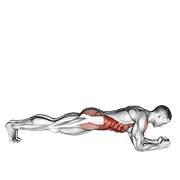
Plank Hold
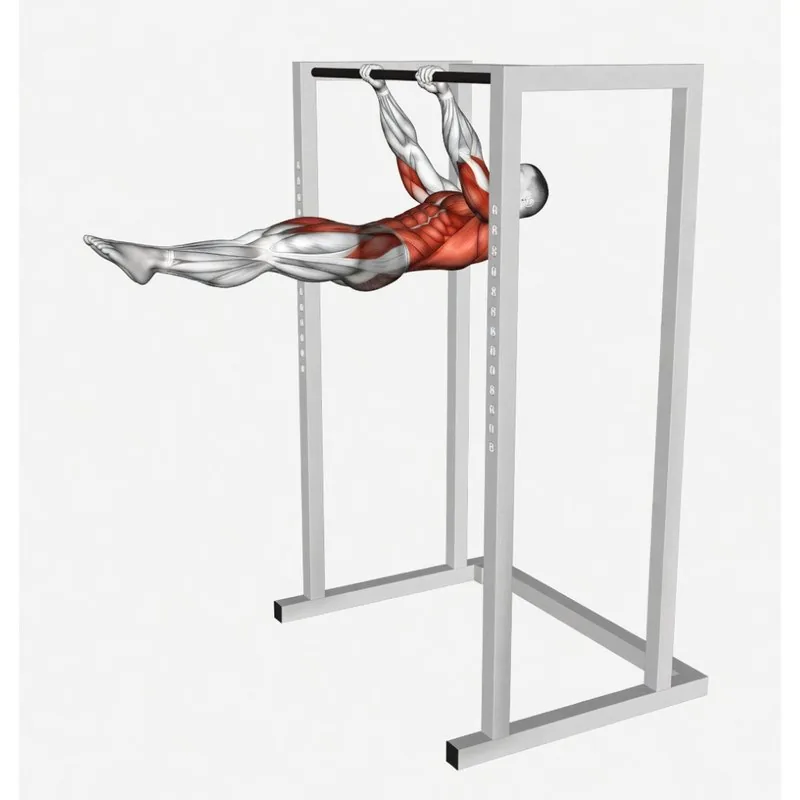
The isometric plank is the most fundamental core-stabilization exercise in calisthenics. You hold a horizontal plank on forearms and toes with the entire core firing isometrically against gravity for the target time.
The handstand is trained in parts: vertical pressing strength first, then the line against a wall, and only at the end free balance. Skipping the wall is the number one reason people go years without getting it.
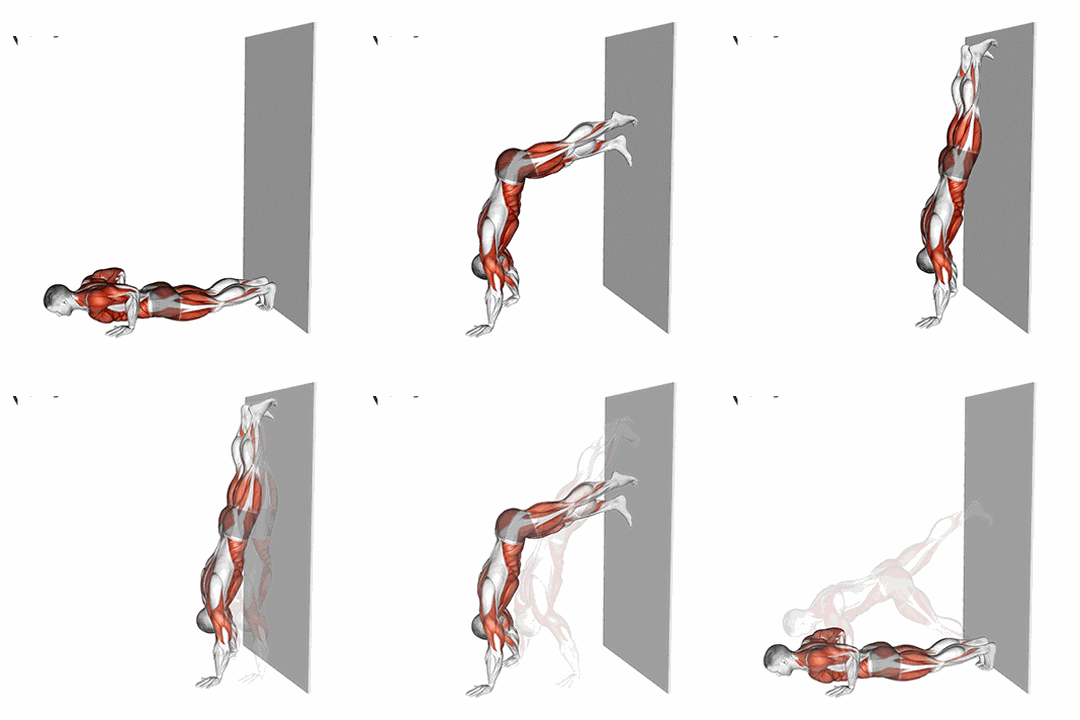
Full Wall Walks
Hold a free handstand for a minute in a straight line, without walking on your hands.
Bottom to top. Meet the criterion for one rung before touching the next.
The isometric plank is the most fundamental core-stabilization exercise in calisthenics. You hold a horizontal plank on forearms and toes with the entire core firing isometrically against gravity for the target time.
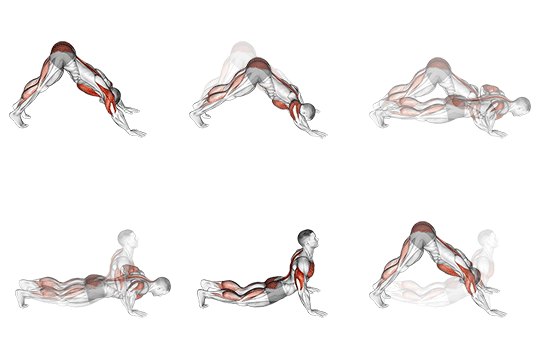
The pike push-up is the pushing drill that most closely mimics a handstand push-up without going fully inverted. The body forms an inverted V (downward dog), directing force into the shoulders far more than a standard push-up. It is the essential bridge between push-ups and the handstand press.
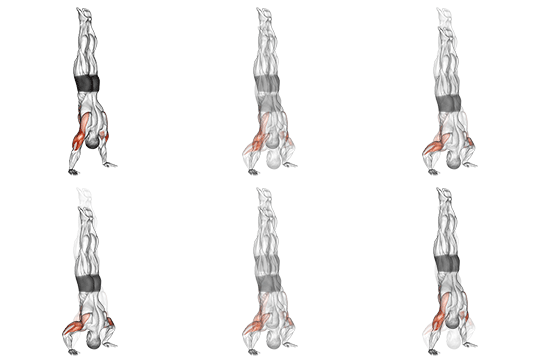
Full wall walks take you from a plank to a vertical handstand against the wall on every rep, then back down with the same control. They are among the best drills for inverted shoulder strength, scapular stability, and body awareness toward a freestanding handstand.
The wall handstand push-up (HSPU) is the premier shoulder-pressing exercise in calisthenics. Fully inverted, almost all the work falls on the delts, triceps, and shoulder stabilizers—the bodyweight equivalent of a military press.
Take the test, look at your score, and have your first generated routine in under half an hour.
Free download · Pro optional from €4.99/month